Follow Us x

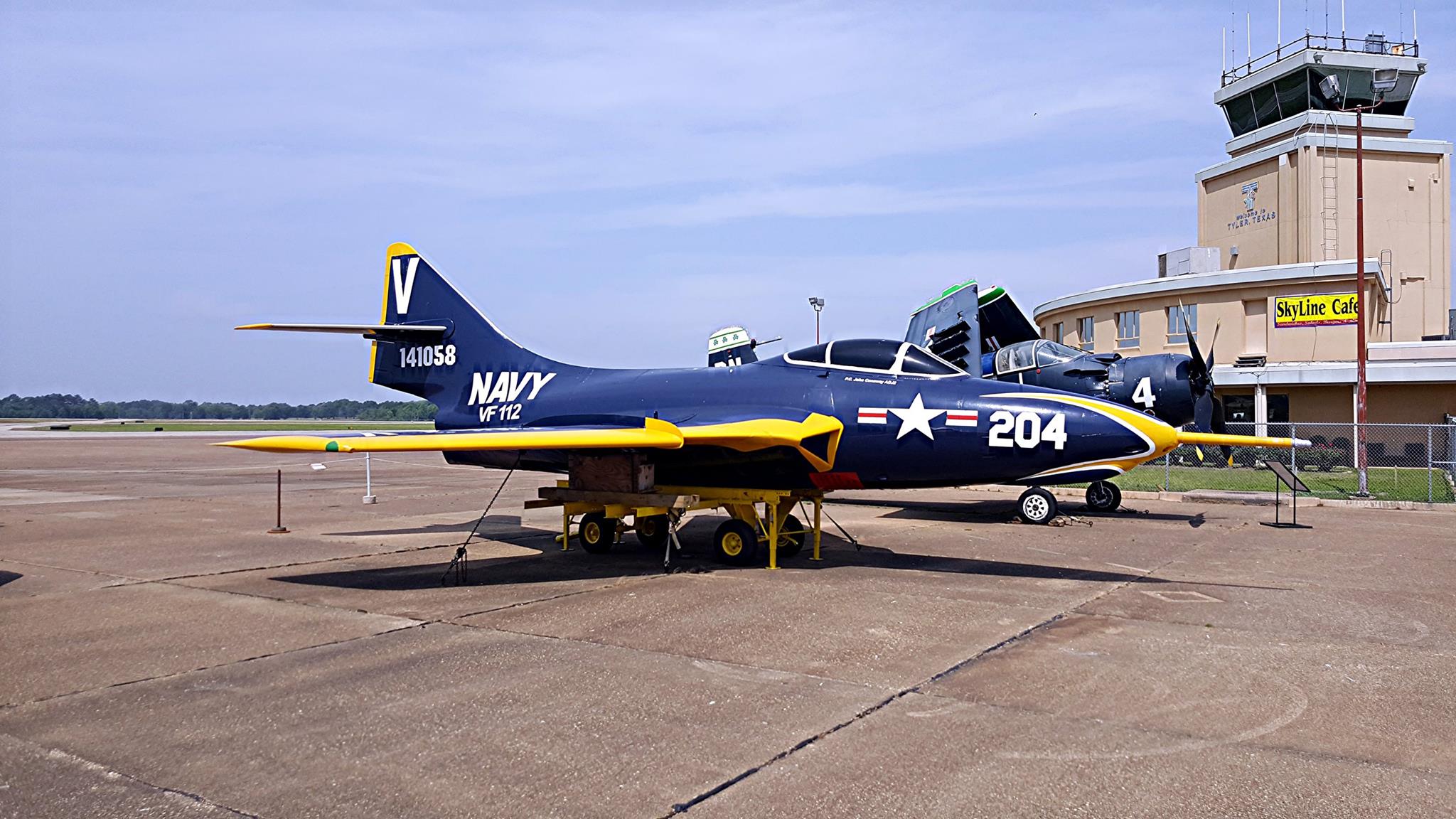
See Military Aircraft Closer Than Ever Before
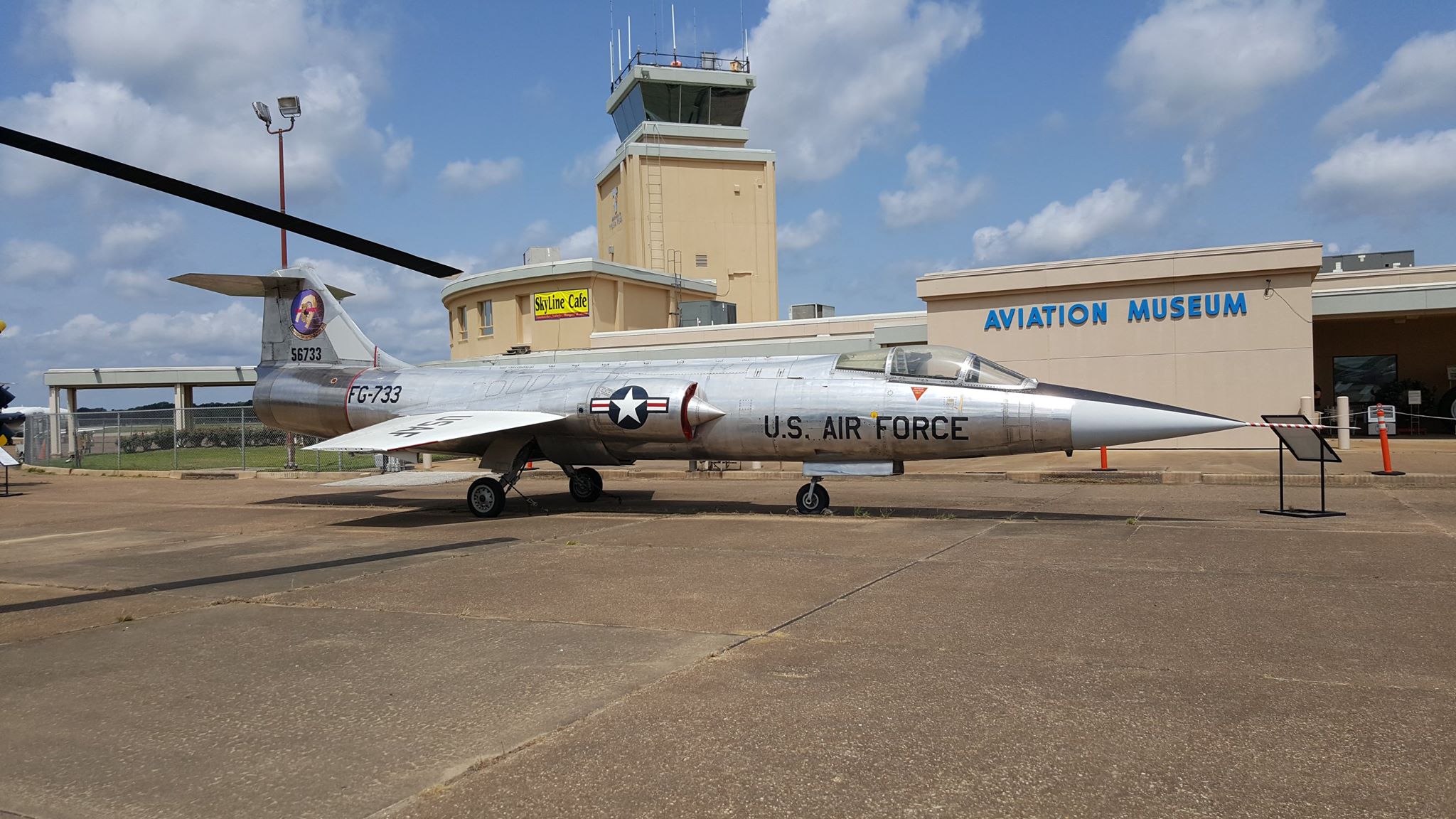
See Military Aircraft Closer Than Ever Before
Visit the aviation museum located in Tyler, TX
Explore the History of American Aviation
At the aviation museum located in Tyler, TX
There's something captivating about watching a plane effortlessly take to the sky. The aviation industry and the many aircraft it has inspired have played a huge role in American history. At the Historic Aviation Memorial Museum, we give you a front seat to understanding exactly how aircraft have shaped our country, and how they continue to play an important role in the military.
Located on the ground of Tyler Pounds Regional Airport, your local military museum features real military aircraft, historical memorabilia, hands-on exhibits and a real flight simulator. Book a trip to the museum in Tyler, TX right away.

Donate to Our Special Project: Brick Recognition Courtyard
Purchase an engraved brick to honor a relative, friend or in memory of a special person.
Click below to learn more. Bricks cost $125 with all proceeds funding the Historic Aviation Memorial Museum.
Are you looking for a meeting space?
In addition to our special events, tours and camps, the Historic Aviation Memorial Museum has a spacious observation lobby and media room. These spaces can be rented for meetings or catered lunches. So, the next time you need a gathering space, look no further than your local museum.
Contact the military museum in Tyler, TX for more information about our rental spaces.
Take an exciting journey through the history of aviation
At the Historic Aviation Memorial Museum, we provide a look at the history of aviation, starting from its humble beginning and continuing through the space age. In addition to an ongoing exhibit of at least 16 classic aircraft, the museum also offers tours, camps and an airshow. Don't miss out on our:
- Tours
- School field trips
- Aviation camps
- Other special events
A trip to the local military aviation museum is a great activity for all ages. Book your trip to the museum in Tyler, TX today.
Contact Us
Historic Aviation Memorial Museum
150 Airport Drive, Suite 2-7
Tyler, TX 75704